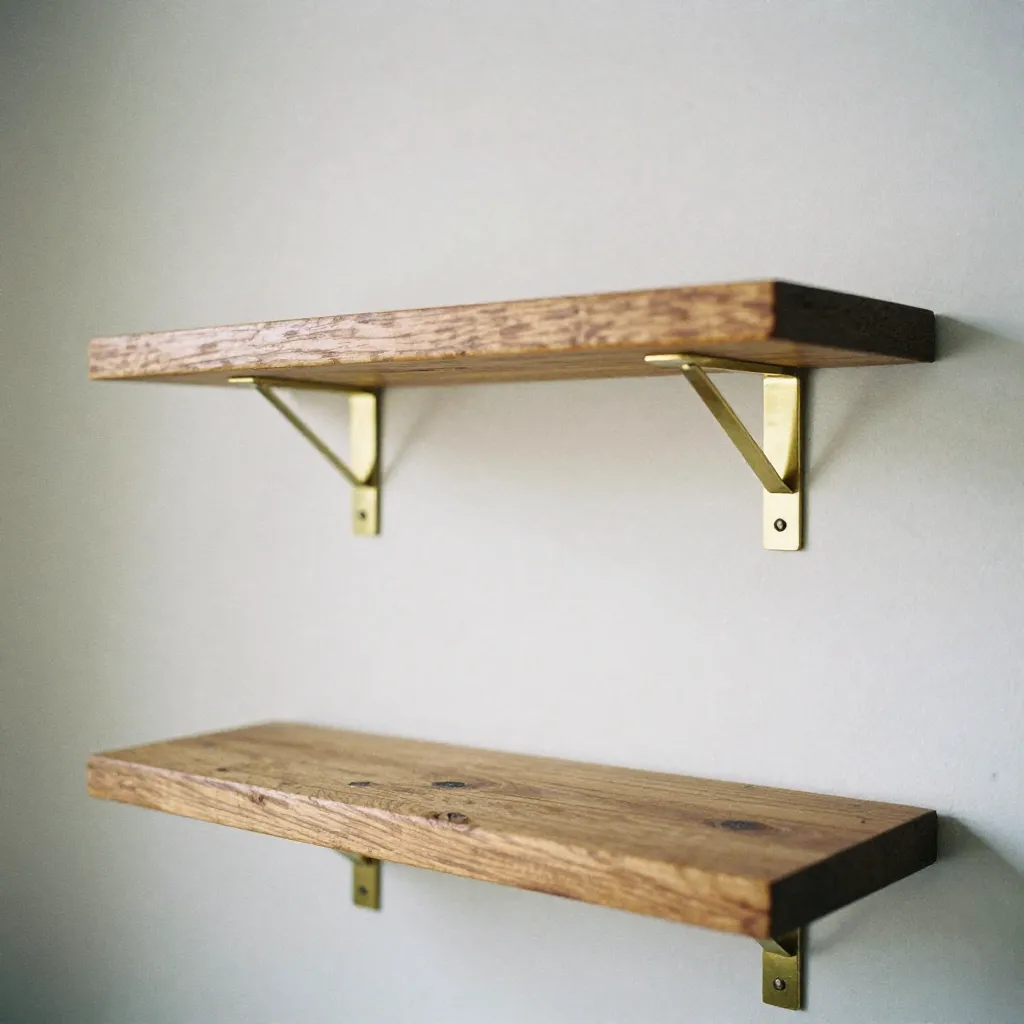
Initial State Analysis
Every transformation begins with detailed documentation of the original object. We capture its current state, material composition, and structural integrity before planning the evolution path.

Material Assessment
Comprehensive analysis of age, condition, and transformation potential. This phase determines the reconstruction methodology.

Structural Mapping
Detailed mapping of material structure helps identify optimal transformation points while preserving essential characteristics.
Evolution Timeline
Phase One: Deconstruction
Careful disassembly reveals hidden potential. Each component is evaluated for reuse or transformation into new forms.
Phase Two: Reconstruction
Materials are reshaped according to design specifications. Traditional techniques combine with modern approaches.
Phase Three: Integration
New components integrate seamlessly with preserved elements, creating harmonious fusion of old and new.
Phase Four: Completion
Final refinements ensure both aesthetic appeal and functional integrity. The transformation reaches completion.

Case Study Documentation
Detailed records track every transformation from initial state through final completion. These logs provide insight into the reconstruction process and material behavior.

Documentation System
Comprehensive logging captures each stage of transformation, creating a complete record of material evolution and design decisions.

Comparative Analysis
Side-by-side documentation shows the transformation journey, highlighting both preserved elements and evolved characteristics.
Transformation Metrics
Material Age Preservation
Original material age is documented and preserved in the final piece, maintaining historical connection.
Carbon Impact
Each transformation reduces waste and extends material lifespan, contributing to sustainable design practices.
Stability Rating
Structural integrity is maintained throughout transformation, ensuring long-term durability and functionality.