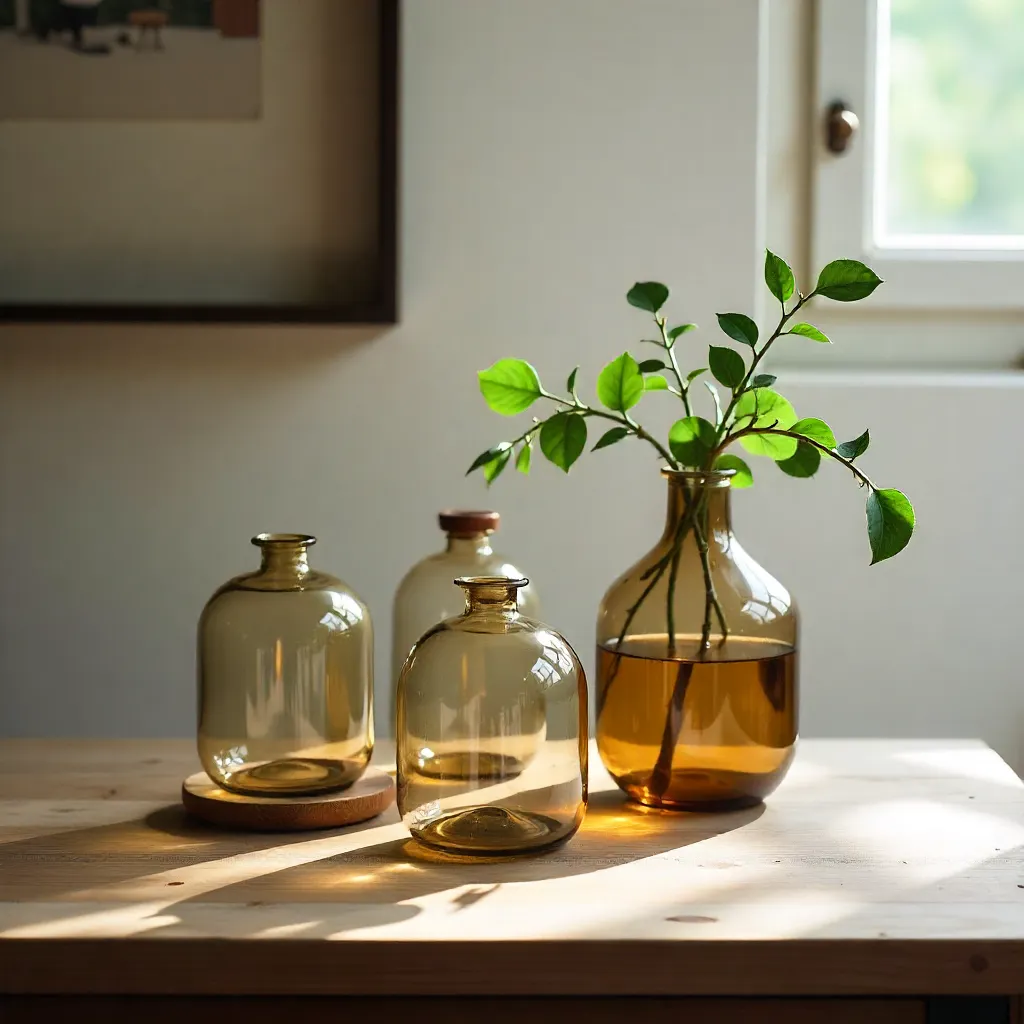
Interior Integration Concepts
Our pieces adapt to different interior styles, from minimalist spaces to eclectic collections. Understanding placement and context helps maximize visual impact.
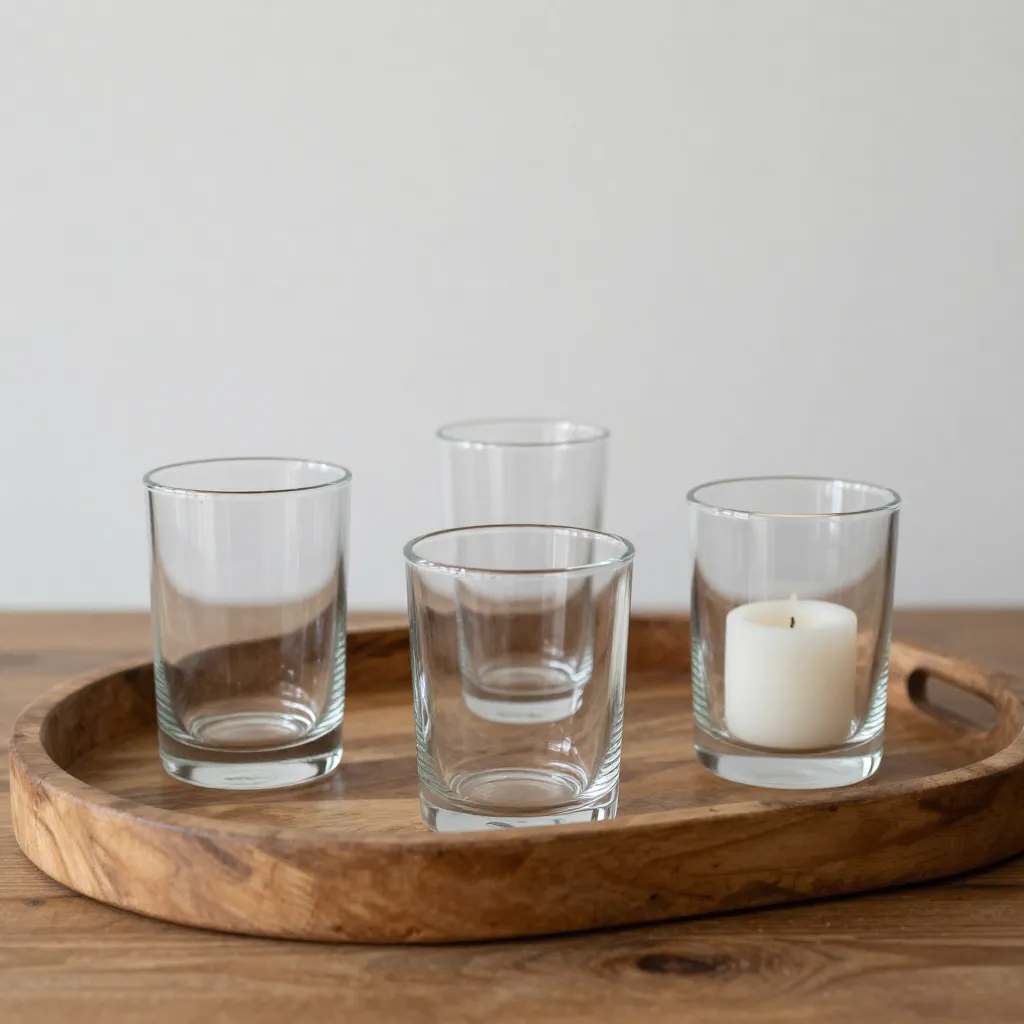
Minimalist Spaces
Upcycled pieces serve as focal points in clean, minimal environments, creating contrast through material texture and historical context.
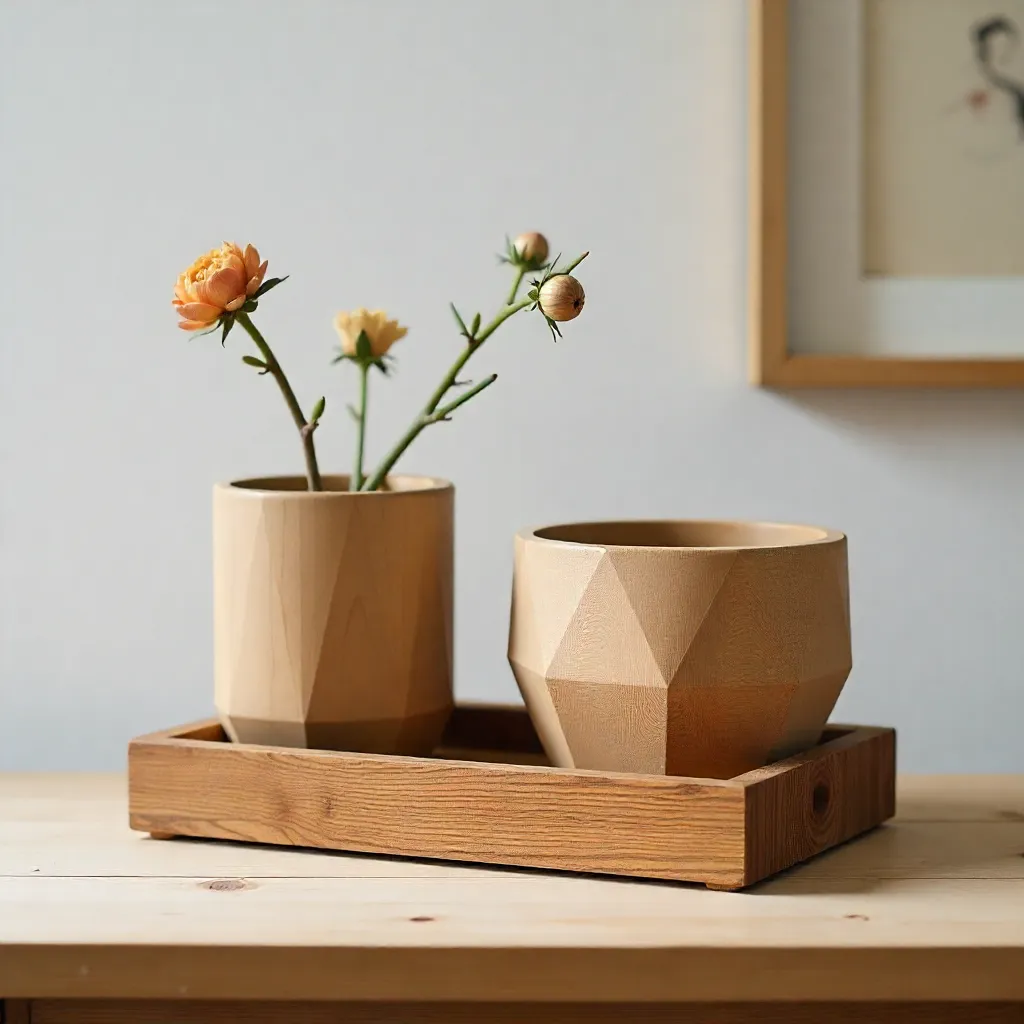
Eclectic Collections
Pieces integrate seamlessly into diverse collections, adding depth and narrative through their transformation history.
Placement Strategies
Solo Display
Individual pieces command attention when displayed alone, allowing full appreciation of transformation details and material characteristics.
Group Arrangements
Multiple pieces create visual narratives when arranged together, forming cohesive collections that tell transformation stories.
Contextual Integration
Pieces complement existing decor when placed thoughtfully, enhancing overall interior design through material contrast and historical depth.
Functional Placement
Beyond aesthetics, pieces serve practical functions, combining visual appeal with utility in everyday spaces.

Styling Principles
Effective styling considers scale, proportion, lighting, and material relationships. These principles guide successful integration of upcycled pieces into various spaces.
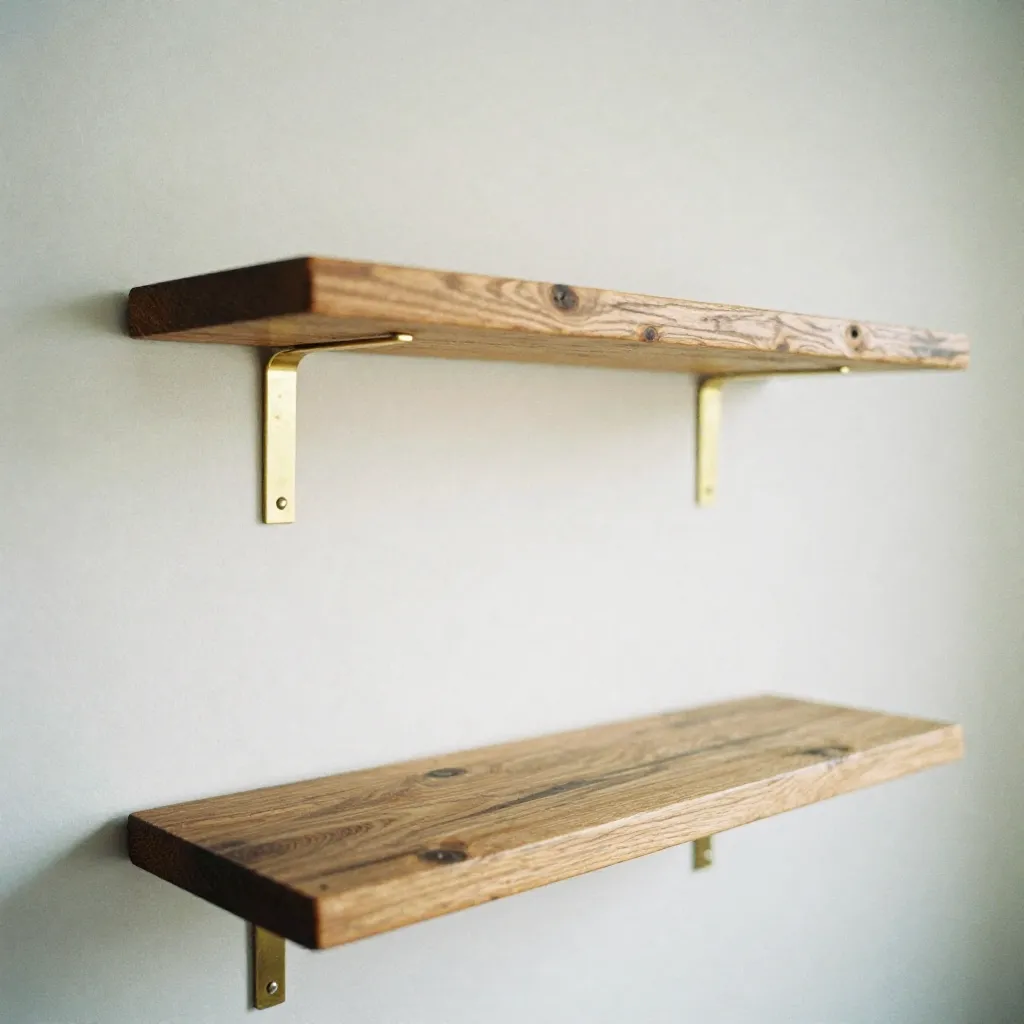
Scale Considerations
Proper scale ensures pieces complement rather than overwhelm their surroundings, maintaining visual balance and harmony.
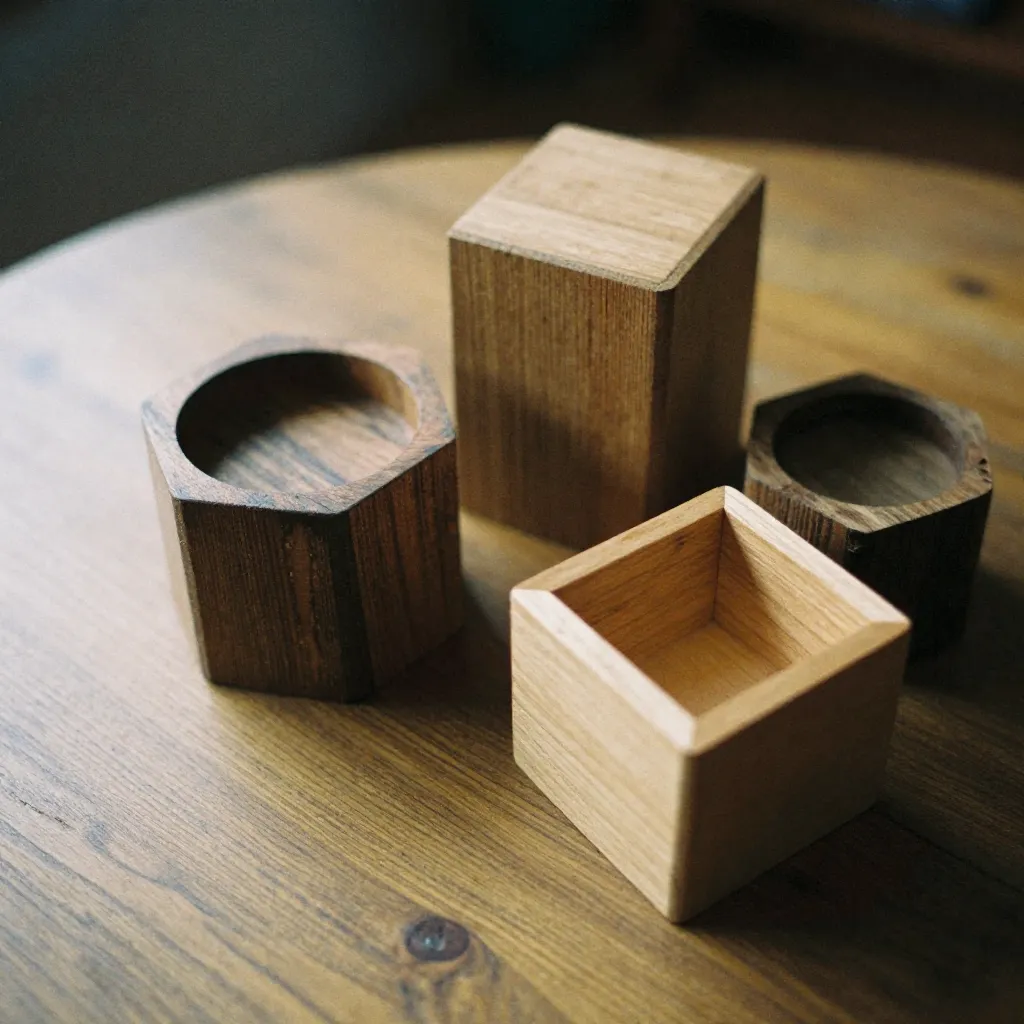
Lighting Effects
Strategic lighting highlights material textures and transformation details, enhancing visual appeal and creating atmosphere.
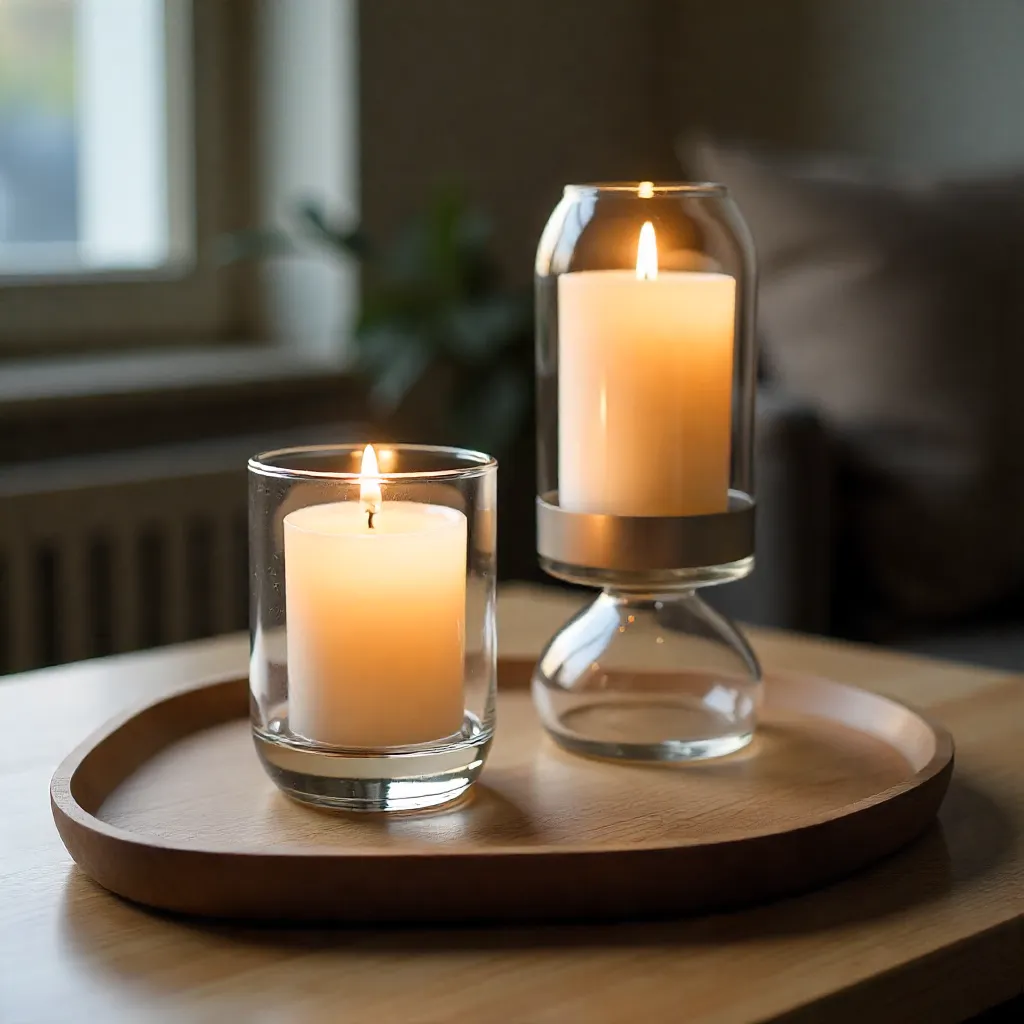
Material Relationships
Understanding how different materials interact helps create cohesive compositions that celebrate both contrast and harmony.
Visualization Tools
Space Planning
Consider room dimensions and existing elements when planning placement, ensuring optimal visual impact and functional integration.
Style Matching
Pieces adapt to various design styles through careful selection and placement, enhancing rather than conflicting with existing decor.
Personal Expression
Ultimately, styling reflects personal taste and preferences, allowing individual expression through curated arrangements.